How wetting, deagglomeration and stabilization influence the quality of waterborne formulations.
Three linked stages in dispersion
Pigment dispersion involves wetting pigment surfaces, breaking down agglomerates through mechanical energy, and stabilizing the resulting particles against unwanted reassociation. The chemistry that helps in one stage must also be compatible with the complete formulation.
Dispersant selection is therefore closely linked to pigment type, binder system, pH, electrolyte content and process conditions.
Why the mill base matters
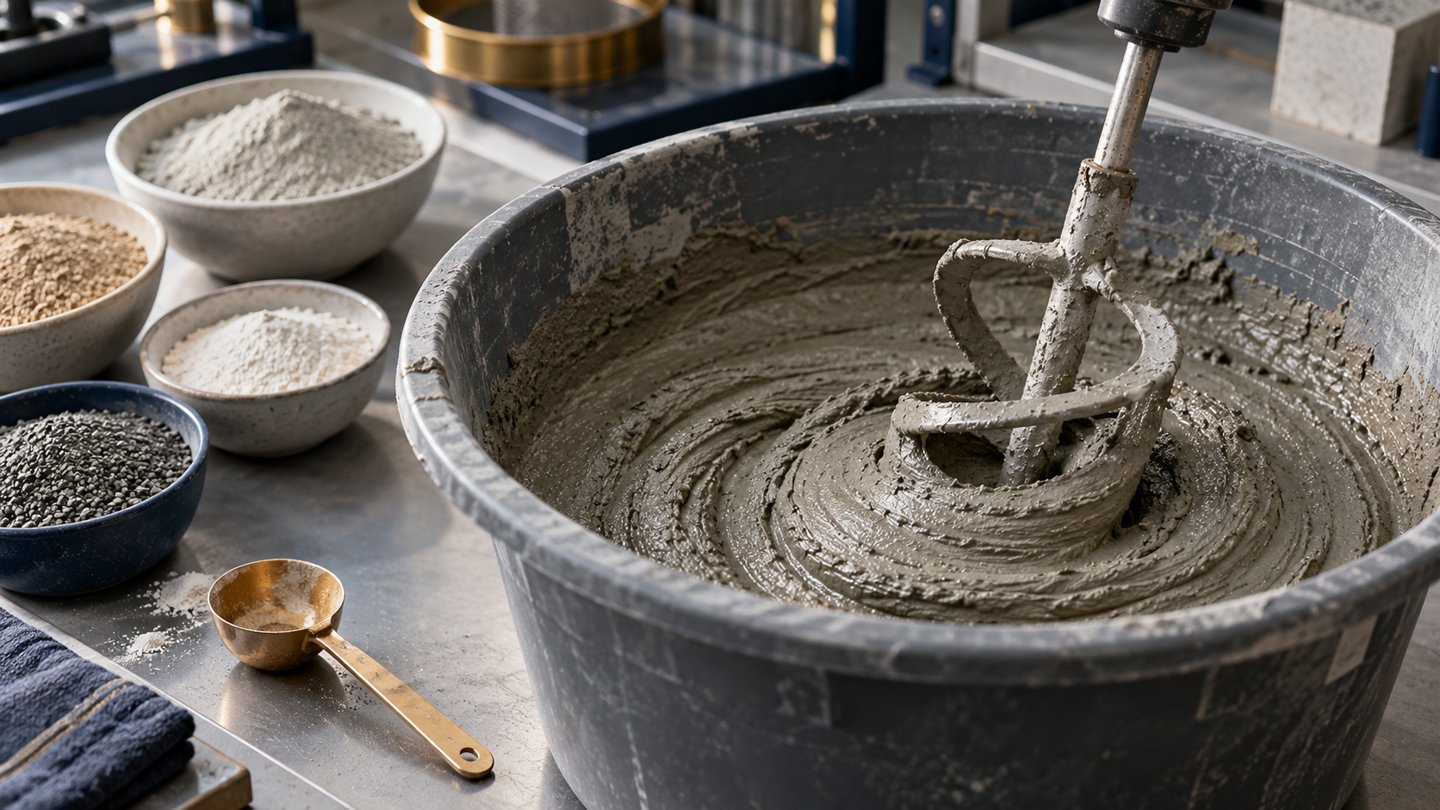
Grinding efficiency and finished coating appearance can be affected by solids, viscosity, dispersant dosage and the order of addition. A highly viscous mill base may limit effective energy transfer, while insufficient stabilization can contribute to flocculation and color inconsistency.
Beyond particle size alone
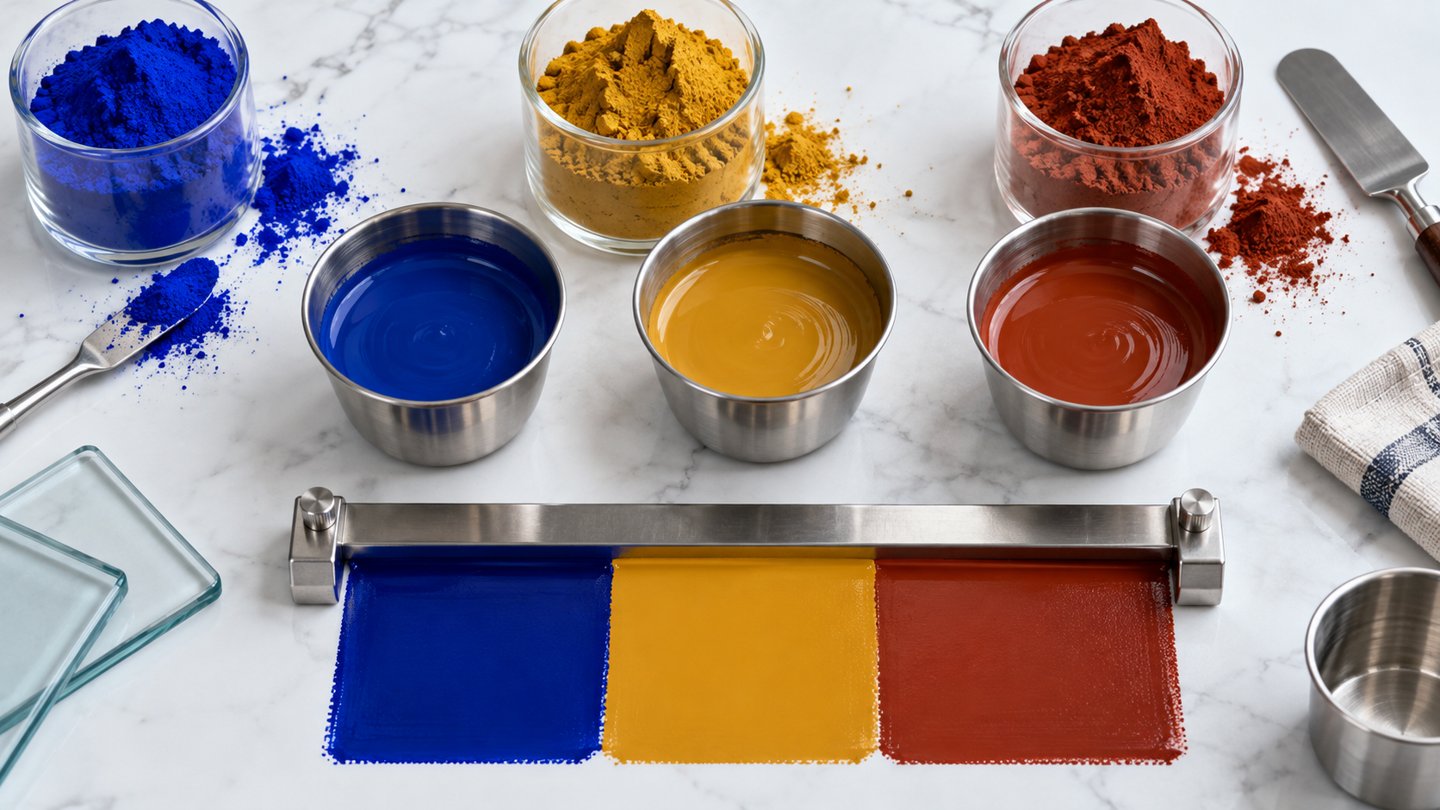
Formulators may monitor fineness of grind, color strength, rub-up, gloss, viscosity stability and storage behavior. Particle size is valuable but not always sufficient to predict tinting consistency or long-term coating behavior.
A practical screening sequence
- Use a defined pigment and binder reference system.
- Compare dispersant candidates through a controlled dosage ladder.
- Maintain consistent milling energy and process conditions.
- Evaluate color development and storage stability.
- Verify compatibility after letdown and tinting.
Turning technical gains into value
Improved dispersion can contribute to more consistent color development and processing. The preferred additive should be judged by the whole formulation and production workflow rather than by unit price alone.