A practical look at the building blocks behind consistent tile adhesives, renders, repair mortars and skim coats.
Why drymix mortar is a formulation system
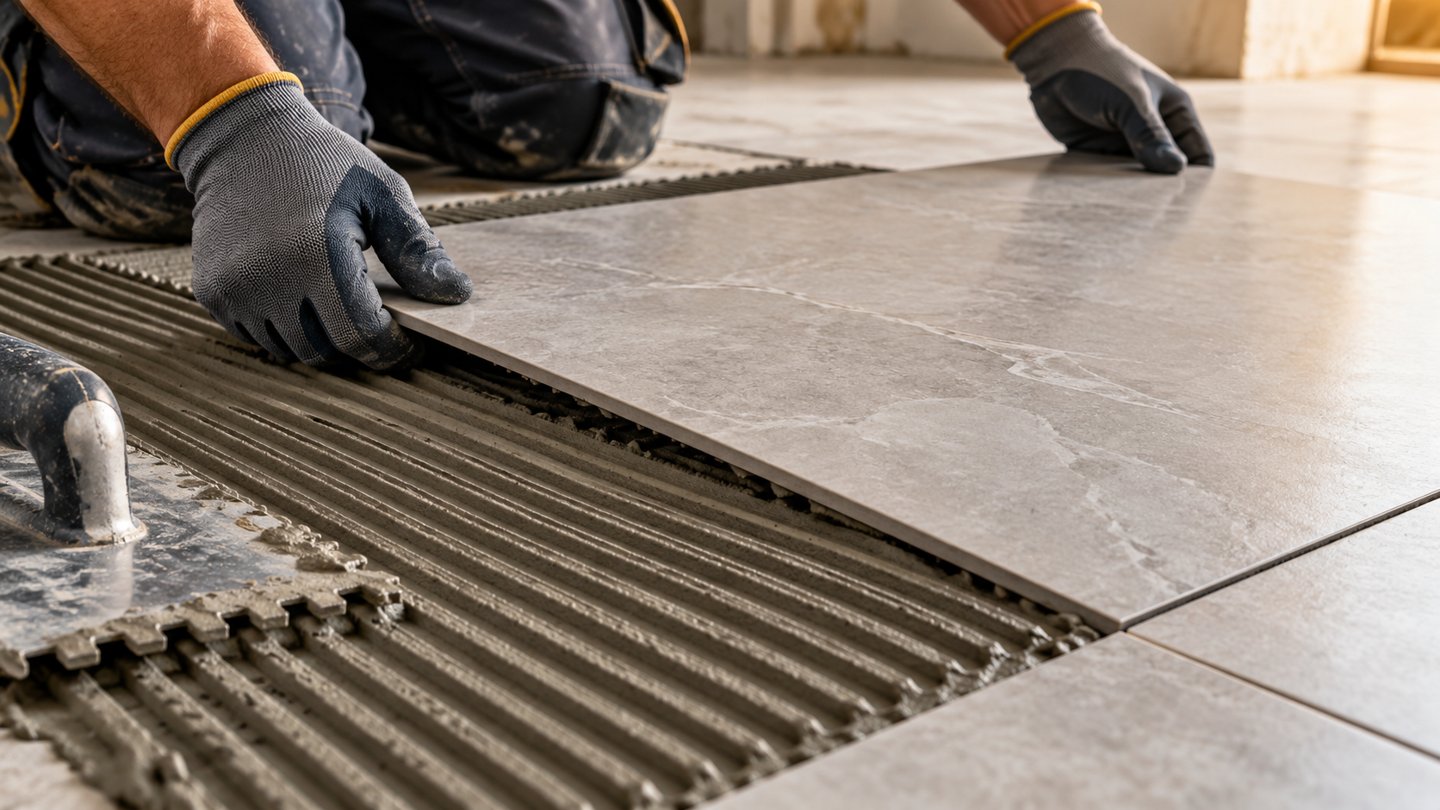
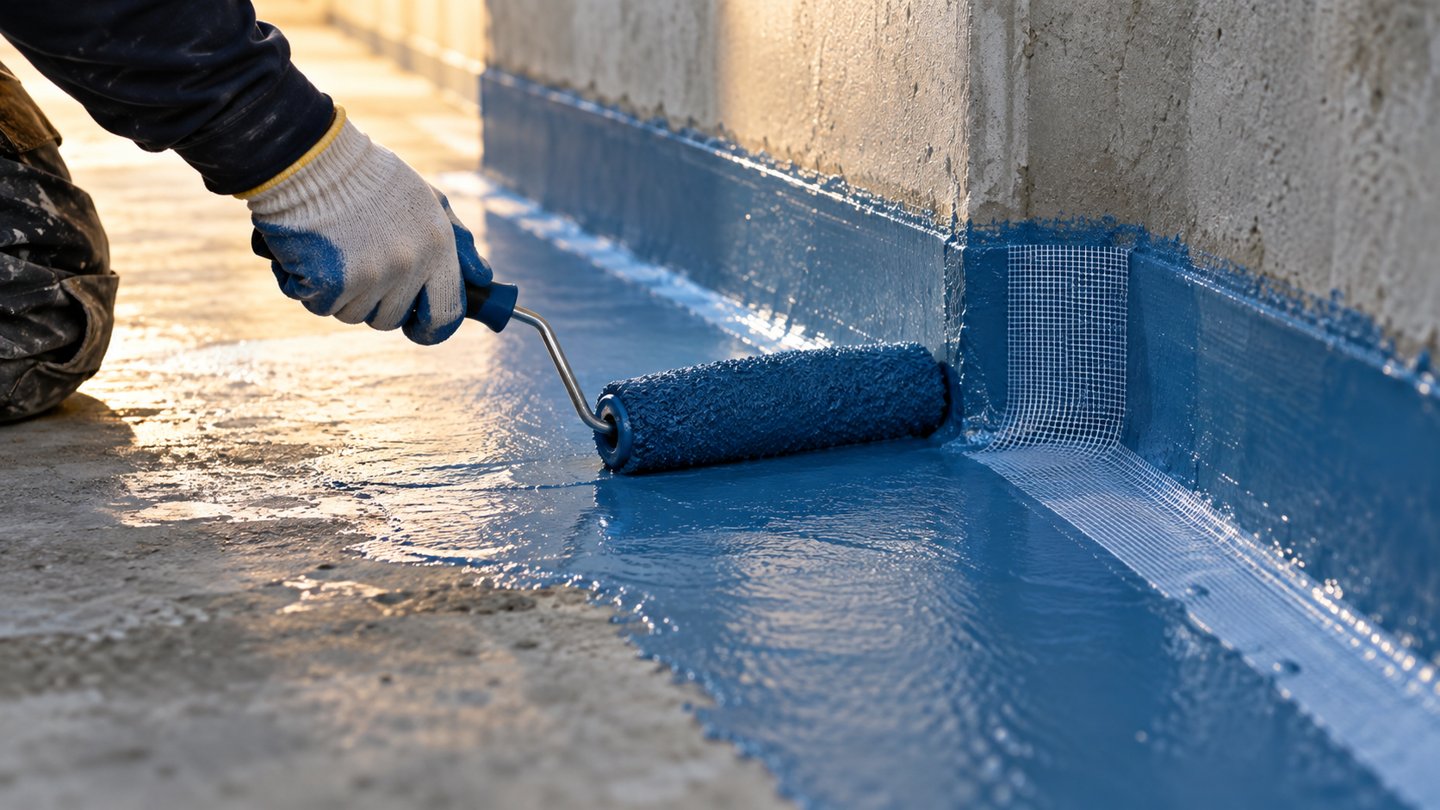
Modern drymix mortar is much more than cement, sand and water. It is a carefully balanced system of binders, graded fillers and functional additives designed to produce predictable performance after water is added on site. The same ingredient may behave differently in a tile adhesive, skim coat, waterproofing mortar or exterior render because each application has different requirements for handling and hardened properties.
Particle-size distribution, binder chemistry, water demand, mixing energy, substrate absorption and weather all influence the final result. A formulation should therefore begin with a clear application specification rather than with an additive dosage copied from another product.
What the key additives contribute
Cellulose ethers are frequently used to control water retention and rheology. Depending on the grade and dosage, they can support application consistency, open time and sag performance. Redispersible polymer powders (RDPs) are used in many cementitious systems to modify adhesion, flexibility and related mechanical properties. Starch ethers, defoamers and other minor ingredients may help tailor processing or application behavior.
| Ingredient family | Typical formulation role | What to verify |
|---|---|---|
| Cellulose ether | Water retention, thickening, workability | Viscosity profile, open time, consistency |
| RDP | Polymer modification of cementitious matrix | Adhesion, flexibility, water exposure |
| Starch ether | Rheology and slip control in some systems | Sag, trowel feel, compatibility |
| Mineral fillers | Structure, grading and cost-performance balance | Particle-size distribution, water demand |
Balance fresh and hardened performance
Optimizing workability alone can hide trade-offs. A mortar that feels creamy at application may not necessarily meet bond-strength or durability requirements. Similarly, excessive thickening may make material difficult to spread or reduce wetting at the substrate interface.
Assess fresh properties such as mixing behavior, slump or consistency, open time, slip, water retention and workable life together with the relevant cured performance. The test plan should reflect the intended application and the applicable local or international standard.
A practical development workflow
- Define the substrate, application thickness, working conditions and performance target.
- Establish a stable reference formulation with controlled raw-material variability.
- Screen cellulose ether and polymer grades independently before combining candidates.
- Check practical handling alongside adhesion and durability tests.
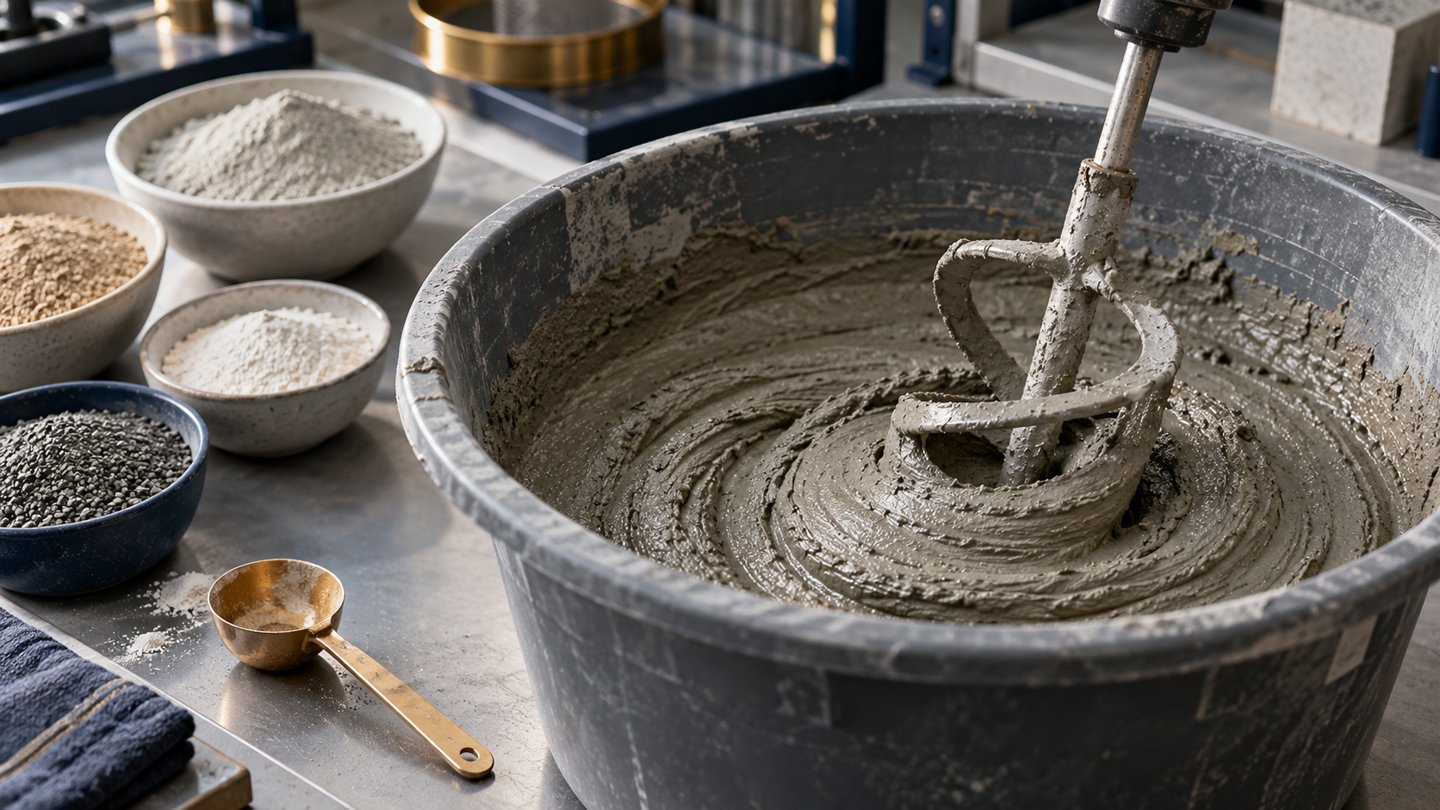
- Validate performance with real mixing equipment and realistic site conditions.
The right formulation is the one that performs reproducibly across the intended use range—not simply the blend that scores best in one laboratory test.
Where ArcOne adds perspective
ArcOne Global connects material technology with application needs. For drymix manufacturers evaluating additives or suppliers, the important questions include consistency, grade selection, comparative testing, documentation and long-term availability.
Bring the application requirement into the sourcing discussion early. It helps identify suitable technologies and reduces avoidable development cycles.