A concise technical overview of polymer modification in cementitious drymix mortar systems.
A polymer designed for dry blending
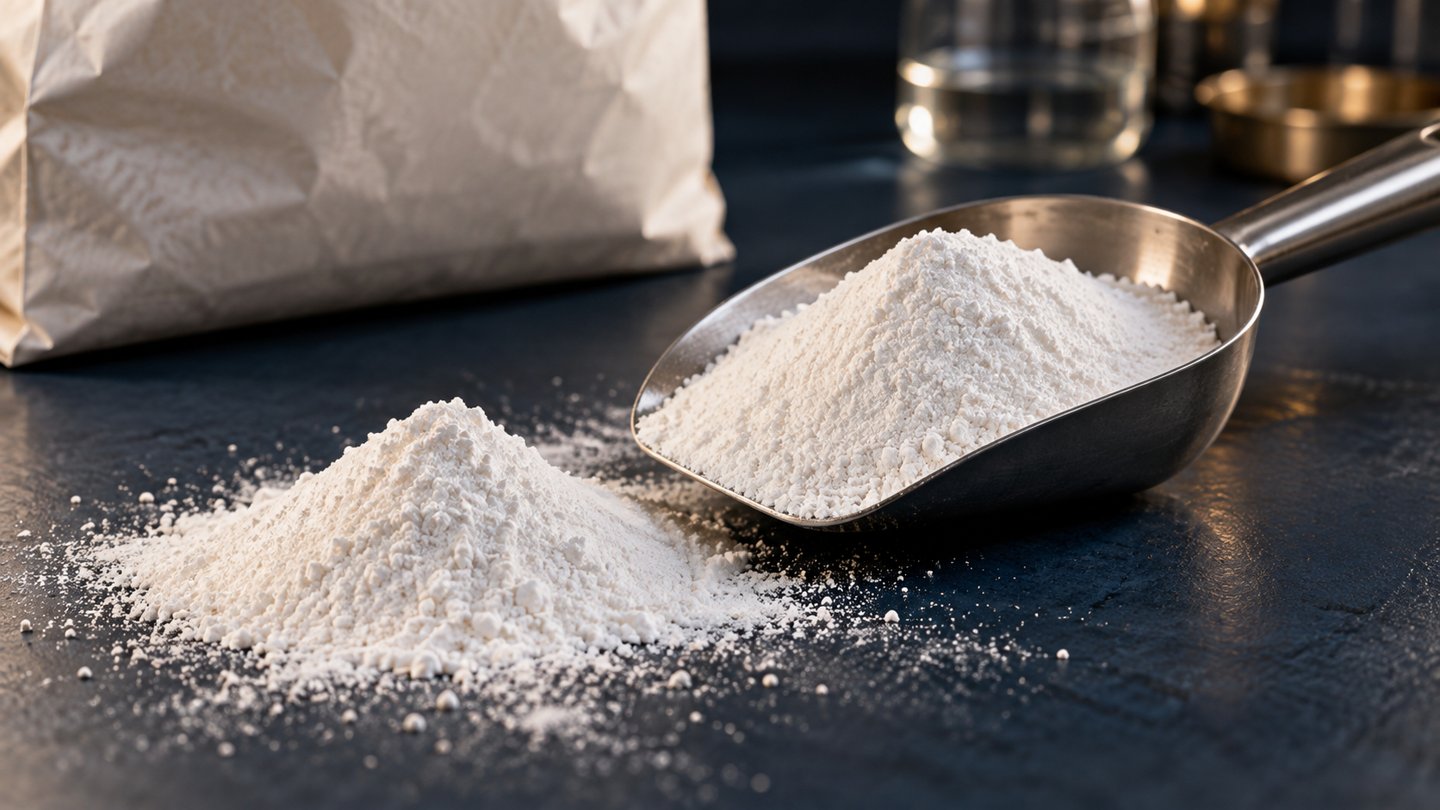
Redispersible polymer powders are spray-dried polymer systems formulated to redisperse after water is added. They offer a way to introduce polymer modification into factory-produced drymix products without the logistics of liquid polymer addition at the construction site.
Performance depends on chemistry and use case
Depending on grade and formulation, RDPs may influence adhesion, flexibility, deformation behavior and other mortar properties. Different base polymers, protective colloids and powder characteristics can produce meaningful differences in behavior.
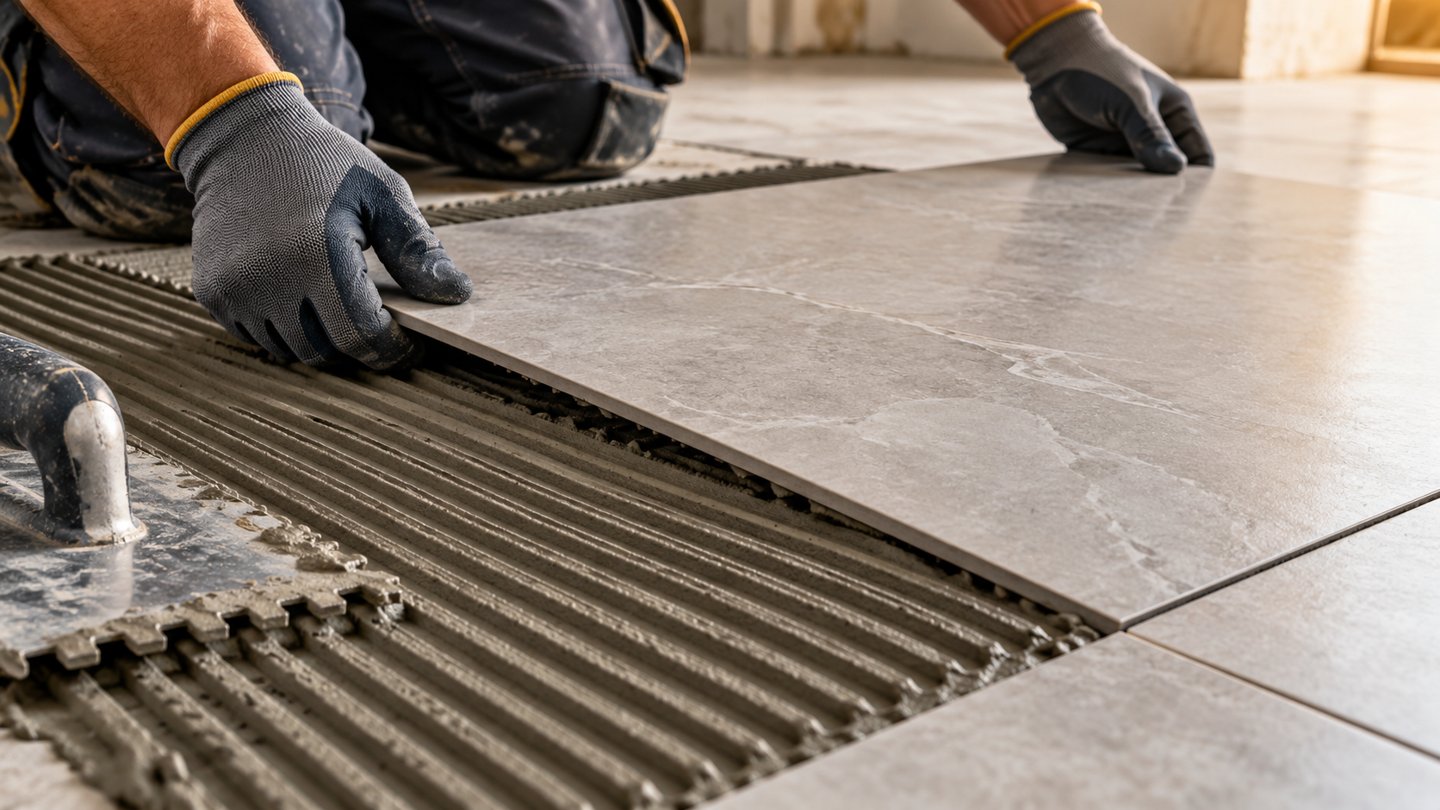
Selection is application-specific. Requirements for tile adhesive, external insulation finishing systems, repair mortar and skim coat are not interchangeable.
RDP is part of a larger matrix
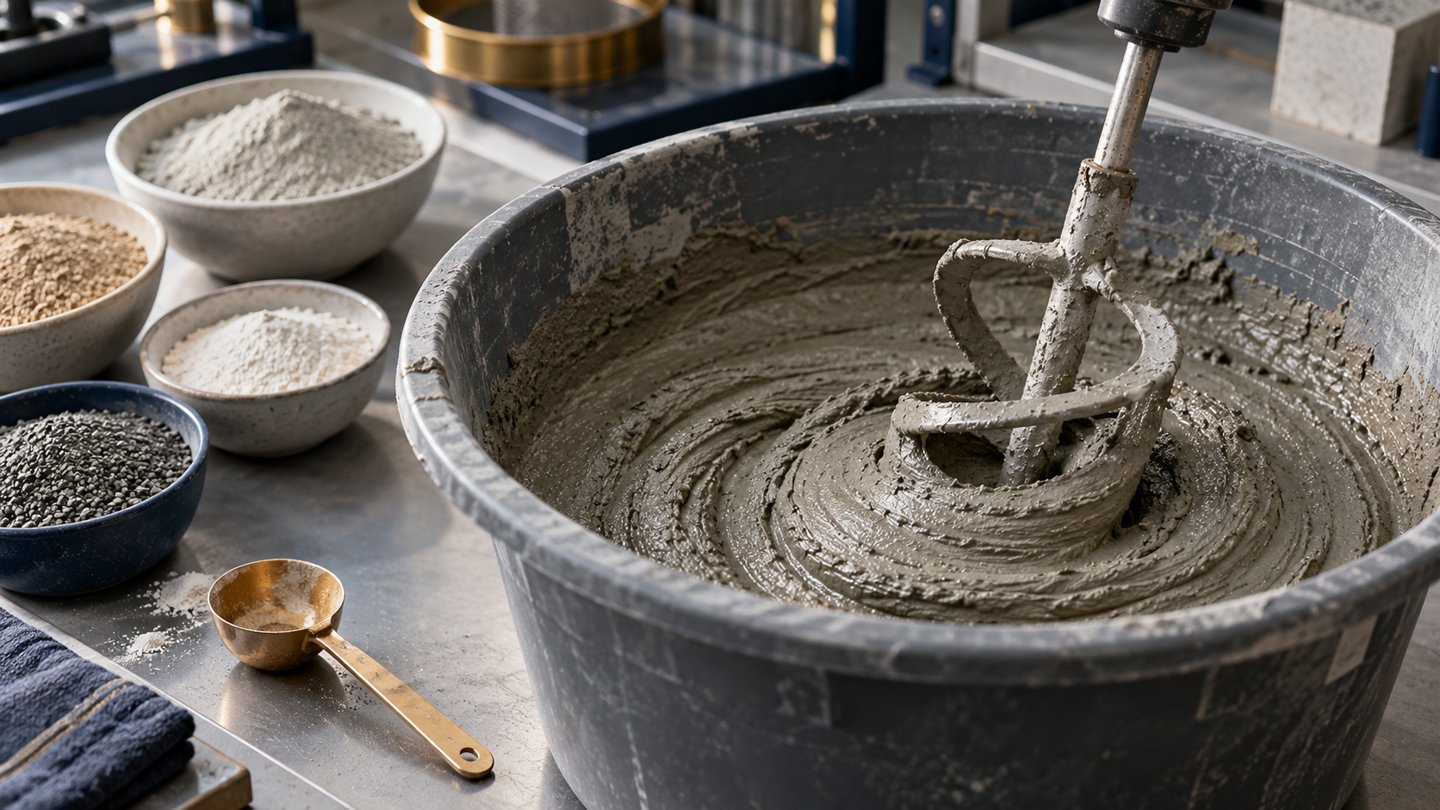
Performance is influenced by the cement type, mineral filler grading, water-to-binder relationship, cellulose ether package and curing. Increasing polymer level without checking water demand and workability may not deliver the expected benefit.
What to compare in trials
- Powder handling and dry-blend compatibility.
- Water demand, fresh mortar consistency and application feel.
- Adhesion under required conditioning.
- Flexibility or deformability where specified.
- Raw-material consistency and supply documentation.
A better way to source RDP
Ask prospective suppliers for recommended applications, indicative performance data, handling guidance and technical support. Verify each candidate in your own formulation rather than assuming equivalent performance from a generic chemistry label.