Explore how chemistry, surface condition and application practice jointly influence waterproofing success.
Why a waterproofing product is only part of the answer
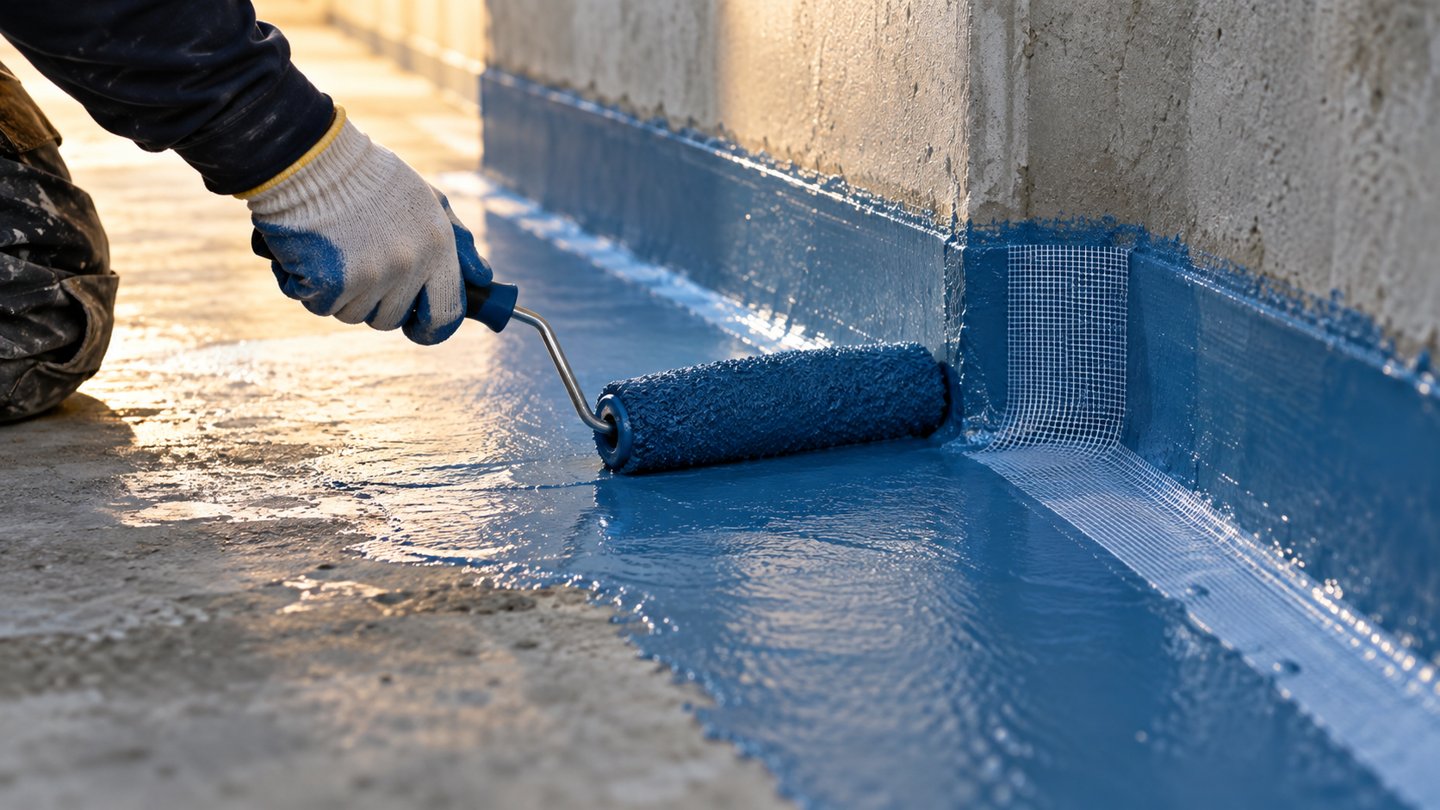
Waterproofing systems are expected to perform at interfaces, joints, corners and penetrations as well as on open surfaces. A technically strong product can still fail if it is applied to an unsuitable substrate or if movement and detailing are not addressed.
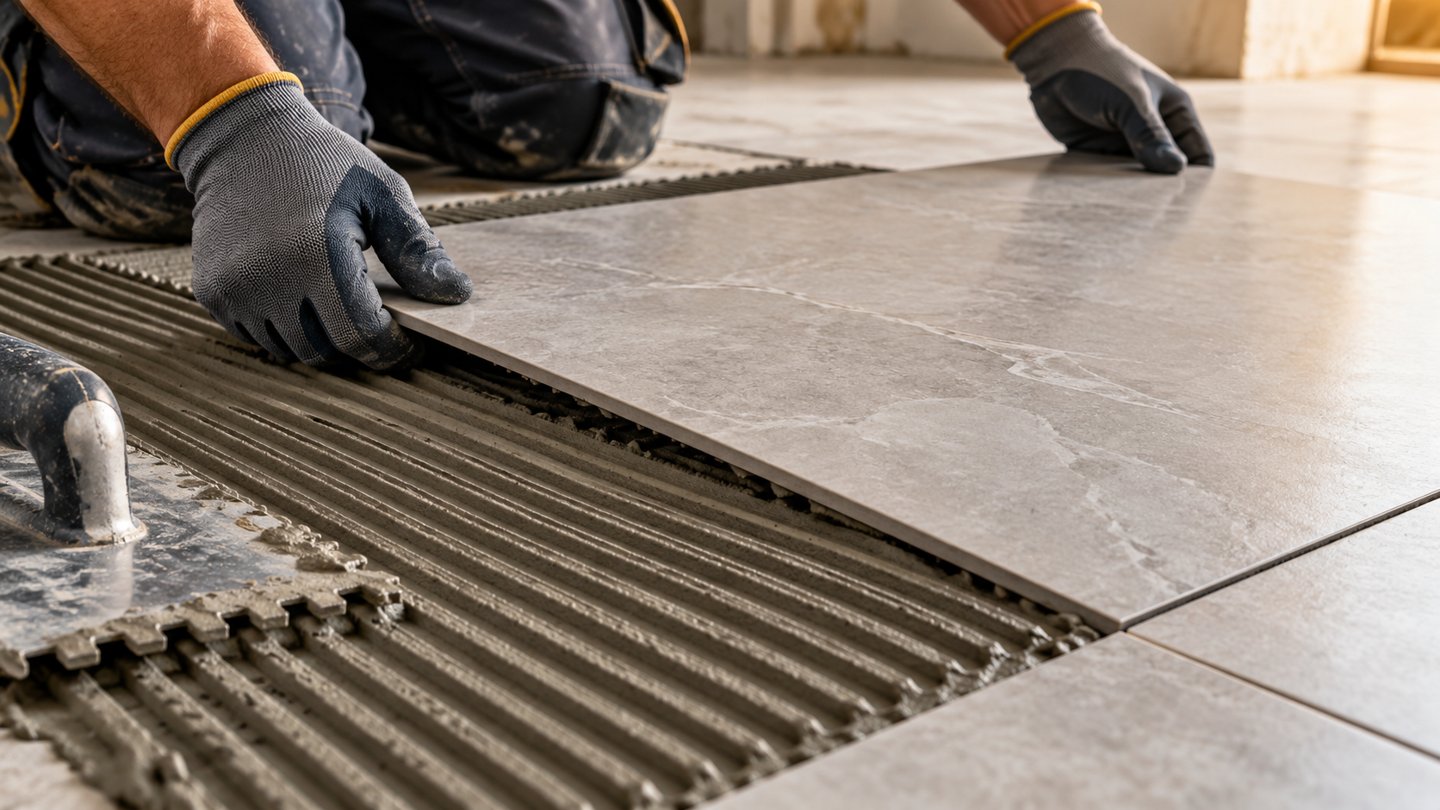
System thinking therefore combines material selection with surface preparation, compatible primers, reinforcement where required, application thickness and curing.
Different chemistry, different strengths
Cementitious systems, polymer-modified cementitious coatings, acrylic dispersions, polyurethane technologies and other approaches have different practical attributes. Their suitability depends on exposure, movement, service conditions, substrate and project specification.
Performance claims should be supported by appropriate test data and correct installation procedures for the intended system.
Build the right test matrix
Useful evaluation dimensions may include adhesion, flexibility, water resistance, crack-bridging behavior, compatibility with subsequent layers, and performance after relevant aging. The exact requirements depend on the system being developed.
Comparisons should also capture application behavior: spreadability, working time, minimum thickness, overcoat interval and curing sensitivity.
The role of specialty additives
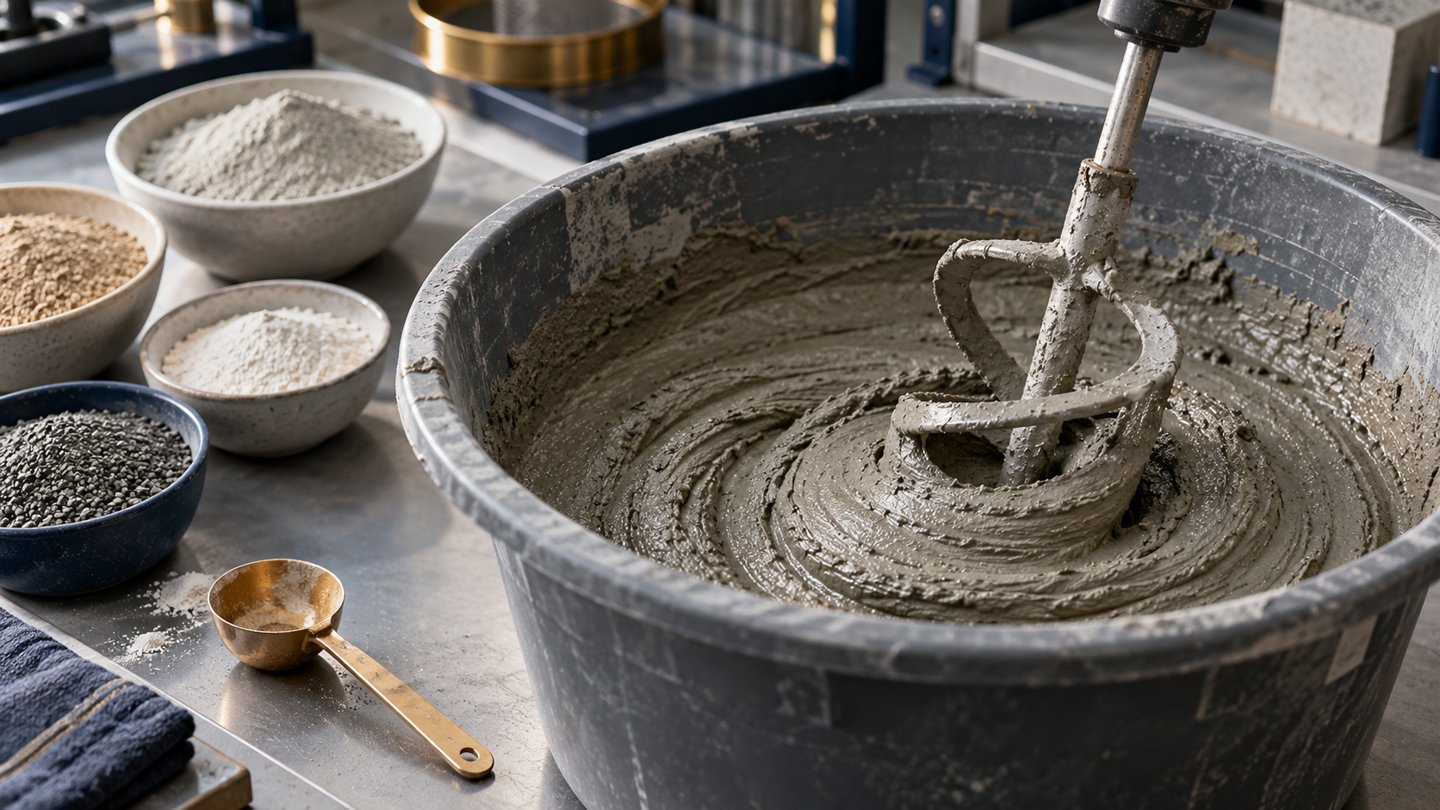
Dispersants, defoamers, rheology modifiers, polymers and selected functional additives can help formulators control processing or end-use properties. Compatibility and dosage-response testing matter, particularly in multi-component systems.
What to ask before selecting material
Specify the waterproofing location, expected water pressure, exposure, movement, substrate and lifecycle requirements. These are the details that allow technology providers and formulators to recommend a fit-for-purpose solution.